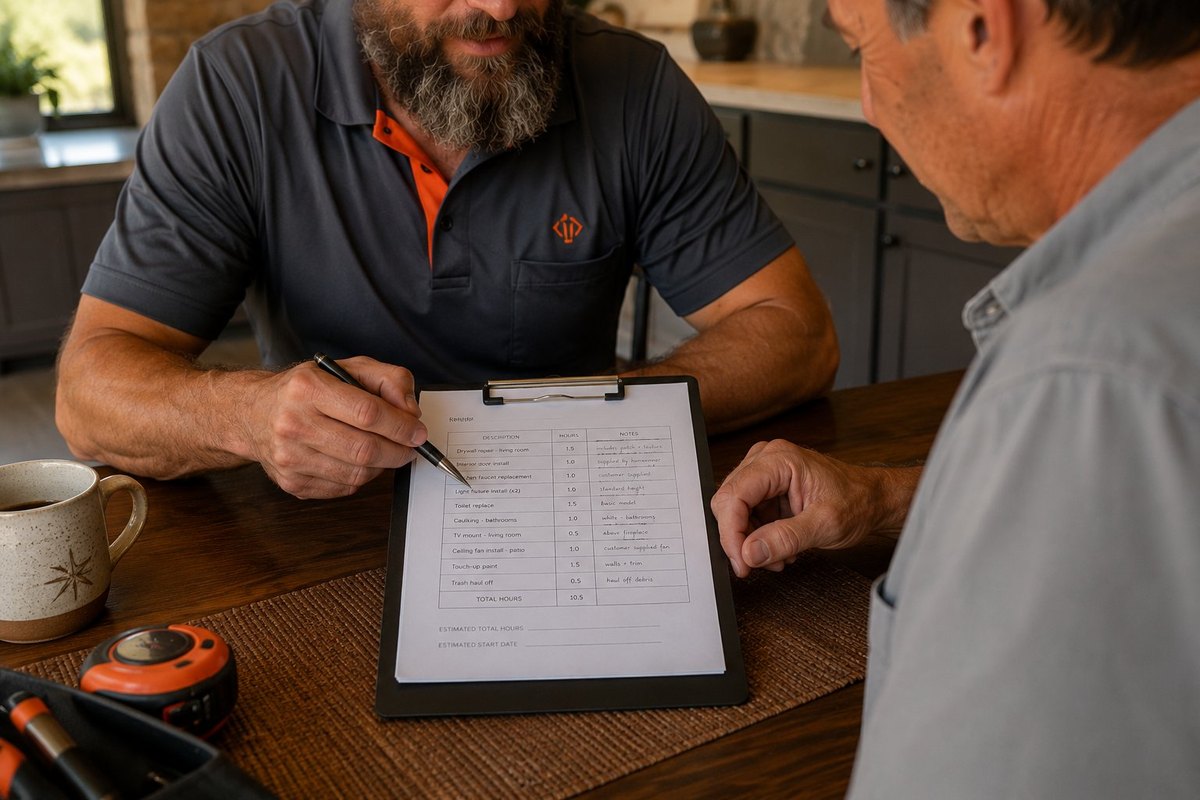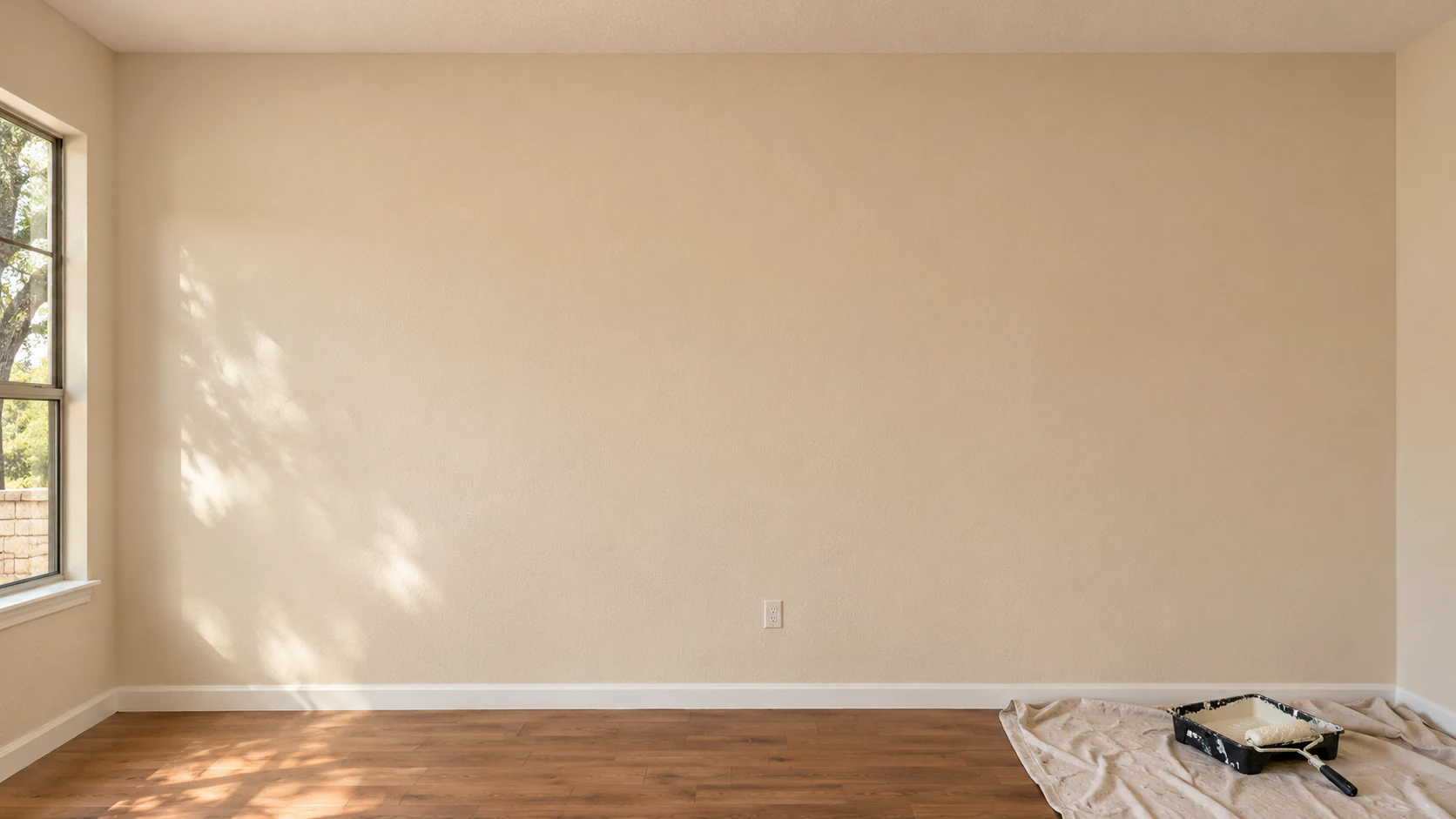
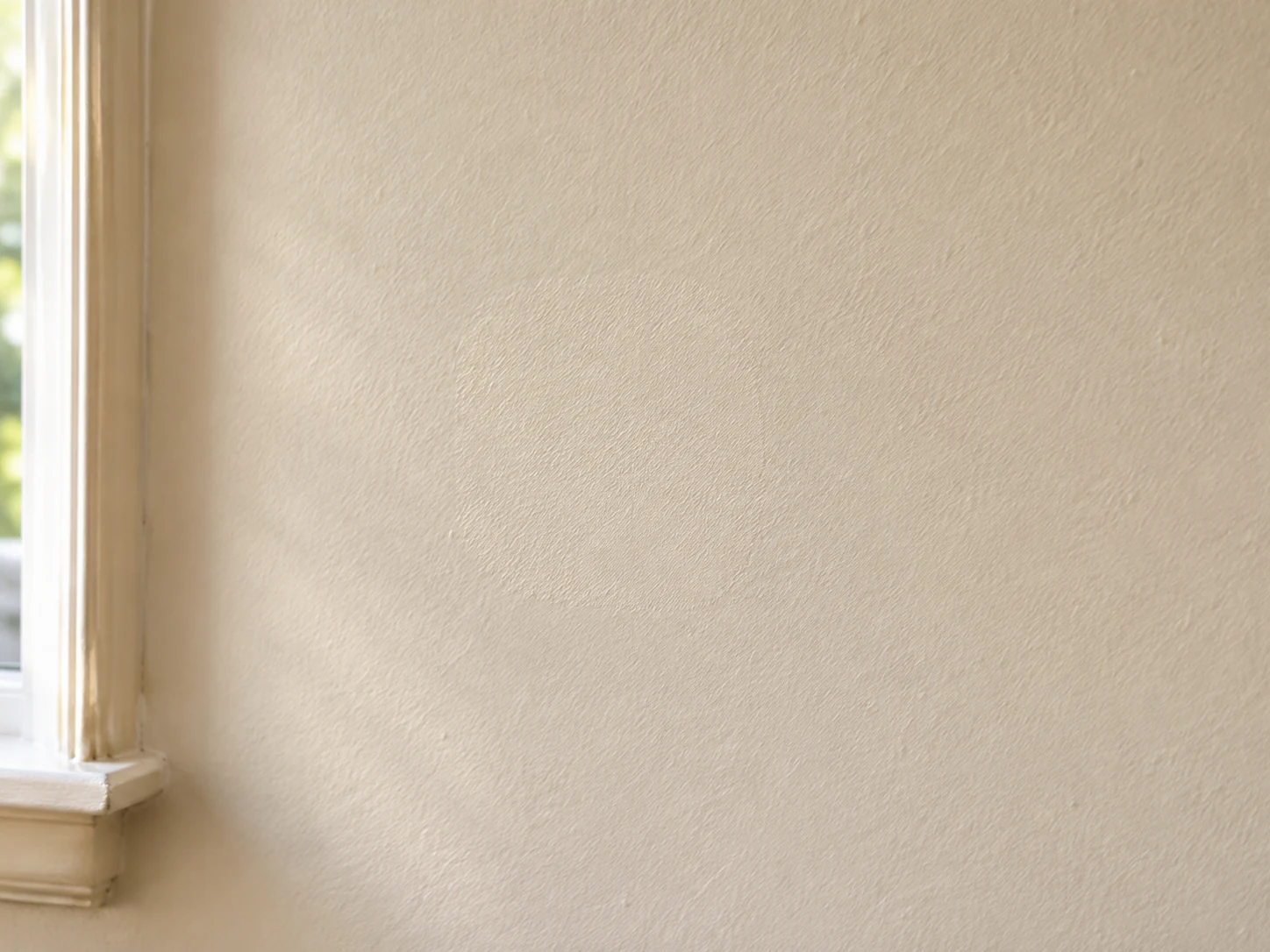
A small scuff or patched nail hole doesn't always mean the entire wall needs repainting. Sometimes a carefully planned paint touch-up is reasonable; other times, differences in color, sheen, texture, or lighting make a full-wall repaint worth discussing. For a Bastrop painting request, send both wide and close-up photos, plus any information you still have about the original paint.
When a small paint touch-up may be enough
A touch-up addresses a limited area instead of coating the entire wall. It may be a sensible option when the existing finish is in good condition, the mark is small, and a compatible paint product is available. Minor scuffs, small repaired holes, or an isolated area damaged during furniture moving are common reasons homeowners ask about touch-ups.
Think of touch-up as a scope to evaluate, not a promise that the repair will be invisible. It's worth discussing when the wall is otherwise sound and you're comfortable considering how a localized repair might look in normal room lighting.
Rinelli offers painting and touch-up services in Bastrop. Jesse & El review the surface, preparation needs, materials, and expected finish before confirming a project.
Why a color match may not be a finish match
Homeowners often save the original paint can and assume that solves everything. Having the label is helpful, but there are several reasons the new spot might look different from the surrounding wall.
Sheen: Flat, matte, eggshell, satin, and other finishes reflect light differently. A different sheen can create a visible patch even when the color looks close.
Texture: Roller nap, brush marks, the existing drywall texture, and prior repairs can change how the surface catches light. A smooth repaired area against a textured wall may remain noticeable.
Lighting: Side light from a window or lamp can emphasize small variations that are hard to see straight on. A touch-up that looks acceptable in the morning might show more clearly at night.
Age and condition: Sunlight, cleaning, airborne residue, and everyday wear can change the appearance of existing paint. Fresh paint may not look identical to a coating that has been on the wall for years.
Product history: An original color name is not the same as the complete product specification. The base, formula, sheen, and product line may all matter. If you have an old can, photograph the full label, but don't assume its contents are still usable.
When repainting the whole wall makes more sense
Repainting from one natural break to another, such as corner to corner, may create a more consistent appearance than applying paint to several isolated spots. That doesn't automatically mean you need to repaint the entire room.
A full-wall repaint is worth discussing when there are many scattered marks, a large repair area, significant sheen differences, visible patch outlines, or broad wear across the surface. It may also make sense when you're changing colors or when previous touch-ups have already created a patchy-looking finish.
Drywall damage comes before paint
Paint covers a prepared surface; it does not correct the cause of underlying damage. If the wall has a hole, dent, peeling material, or a previous patch, the condition of that area should be evaluated before deciding how much to paint.
A small impact dent and a recurring wet spot call for very different responses. If you see discoloration that returns, active moisture, soft wall material, a spreading stain, or an unusual odor, describe it clearly. A photo alone can't diagnose moisture intrusion, mold, or structural conditions. The source of a problem may need separate professional evaluation before cosmetic repair makes sense.
For ordinary minor drywall repairs, the work may involve patching, surface preparation, priming, and painting as appropriate to the materials. The order and timing should follow the selected manufacturers' instructions. Fresh filler or patching material should not be painted simply because it appears dry to the eye.
Rinelli also describes minor drywall patching under its maintenance and assembly services. Whether patching and painting can be grouped into one approved project depends on the actual condition and scope.
What photos and paint details should you send?
Good photos make it easier to discuss whether you need paint touch-up in Bastrop or an interior wall repaint. Send a wide photo of the whole wall, including corners, trim, windows, and nearby furniture. Then send close-ups of each damaged or discolored area.
If possible, photograph the wall in natural daylight without dramatic filters. Side light can also help reveal texture. The goal is to document what you see, not to make the damage look worse or better than it is.
Add the approximate wall dimensions and the number of affected spots. Tell the team about previous drywall repairs, touch-up attempts, stains, or unusual texture. If you have the original paint container, photograph the label so the product, color, and sheen information can be reviewed.
Preparation, access, and scheduling can change the scope
Wall painting usually involves more than applying a topcoat. Depending on the surface, preparation may include moving or protecting furniture, covering floors, cleaning or preparing the substrate, patching, priming, and applying the selected coating in accordance with its product instructions.
Don't assume a patch and paint project can be completed in one visit. Drying, curing, recoat intervals, compatibility, and the amount of required preparation vary by product and site conditions. Scheduling should be confirmed for the specific project rather than based on a standard promise.
If you're grouping painting with other household tasks, send the complete list for review. The Bastrop cost and booking guide explains how approved scope, access, materials, and scheduling affect a visit.
Frequently asked questions
Can you guarantee an invisible touch-up?
No. Color, sheen, texture, wear, and light can make a repaired area visible. Rinelli can review the conditions and discuss touch-up versus broader repainting, but an invisible match should not be promised in advance.
Does the original paint always solve the matching problem?
No. The original can and label are helpful, but the existing finish may have changed with age, light, and cleaning. Product condition and application method can affect the result as well.
Can a drywall patch be painted immediately?
Not automatically. Preparation, primer, and drying or curing requirements depend on the patch material and coating system. The product manufacturer's instructions and actual site conditions determine when the next step is appropriate.
Do I need to repaint the whole room?
Often the practical comparison is between a localized touch-up and repainting one entire wall. Adjacent walls may not need painting, but that decision depends on the finish you want and how the surfaces look together.
Send the wall photos and let's review the scope
Send photos of the wall and any paint-label details you have. Jesse & El will review the scope before confirming the visit. Include the number of affected spots and whether you've tried a touch-up already. Contact Rinelli about painting to discuss the next step.